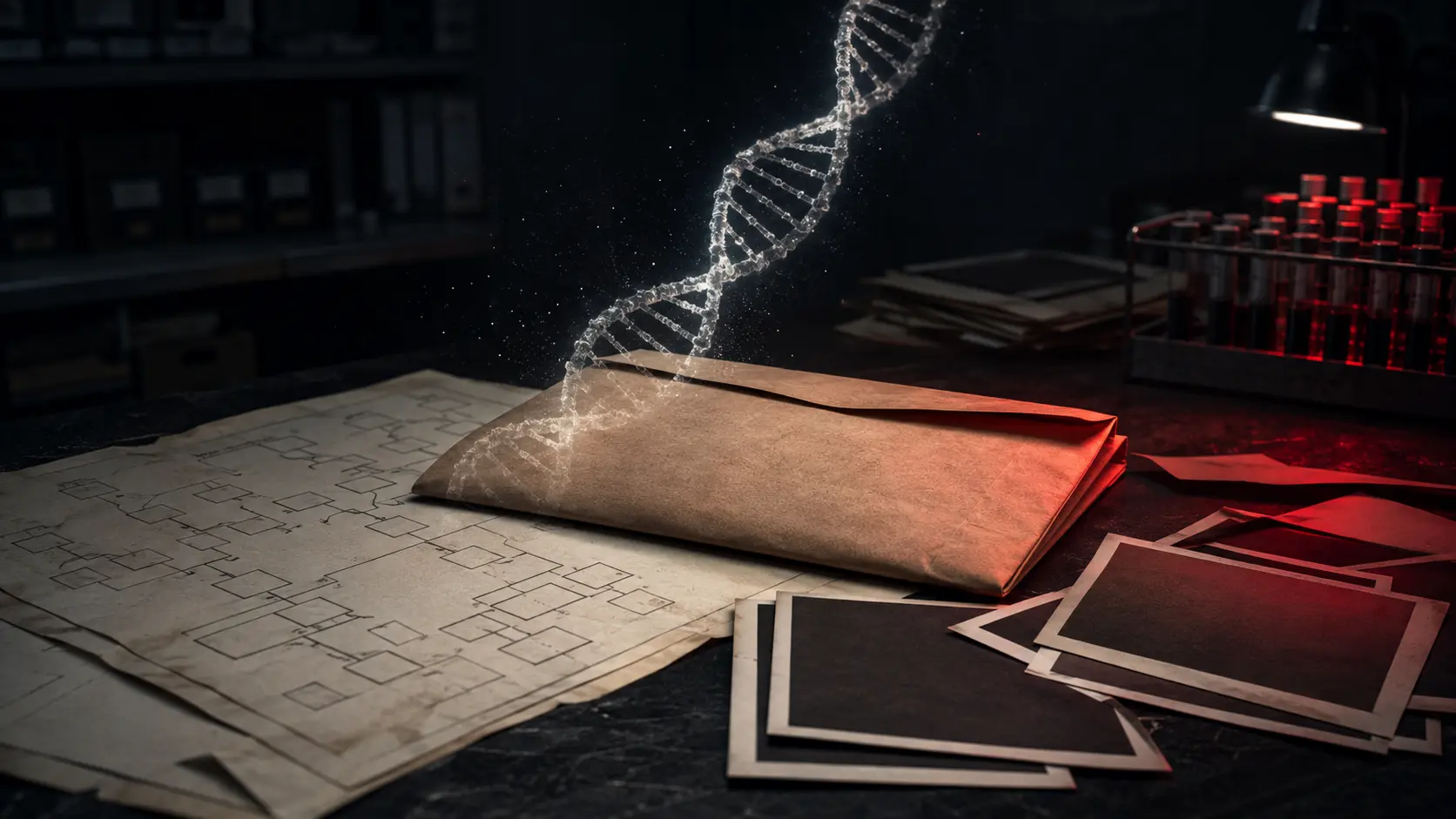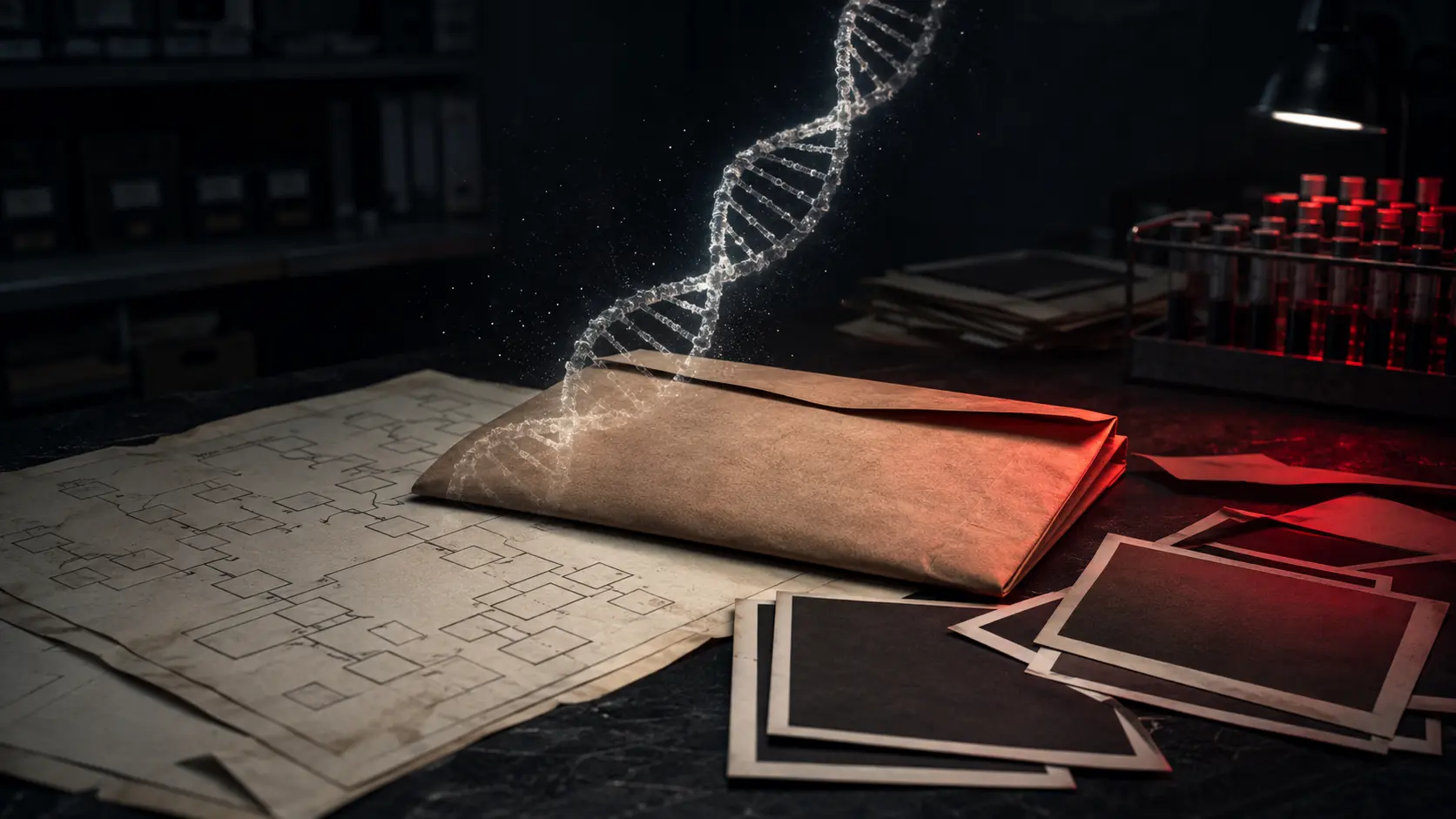
Chain of custody is the documented history of an item from collection through storage, transfer, examination, and presentation. It helps a court or reviewer ask whether the item is the same item collected, whether access was controlled, and whether handling could have changed it. A gap does not automatically destroy evidence, but it can affect authenticity, weight, admissibility, and the conclusions that can responsibly be drawn.
What to remember
- The chain identifies what was collected, when, where, by whom, and under what seal.
- Every transfer and opening should be recorded, including storage and laboratory access.
- A chain-of-custody question is different from whether the item is relevant or reliable.
- Digital evidence needs validated acquisition, hashes, logs, and context—not only a screenshot.
- A gap should be disclosed and evaluated rather than hidden behind a neat narrative.
What the chain is designed to establish
A chain of custody connects the item in a report to the item collected at a scene or received from a person. It records identifiers, packaging, seals, dates, locations, handlers, and the reason for each transfer. The purpose is not bureaucracy for its own sake; it is a way to test whether the evidence remained identifiable and protected from alteration.
The exact form varies by jurisdiction and evidence type. A biological sample, a firearm, a paper document, and a cloud export have different risks. The consistent questions are identity, continuity, security, access, and documented changes.
Collection begins before the label
Collection should describe the scene, the item’s position, the person who found it, the tools used, and any conditions that may matter. Photographs and contemporaneous notes preserve context before an item is moved. Packaging should protect the item from damage, loss, contamination, or unauthorized access.
A label that says only ‘sample’ is weak. A useful identifier links the item to a report, location, date, collector, packaging, and later laboratory record. The description should be precise enough that another person can distinguish it from similar items.
Transfers, seals, and laboratory access
Each transfer should identify the sender, recipient, date, time, purpose, and condition of the seal. A courier, evidence room, laboratory intake desk, analyst, and courtroom may all appear in the record. If a package is opened, the reason and resealing should be documented.
Laboratory systems also require access controls. Analysts should record when evidence is removed, what was tested, what remains, and where it is returned. A secure room does not replace an access log; a log does not replace a clear item identifier.
Digital evidence has a different chain
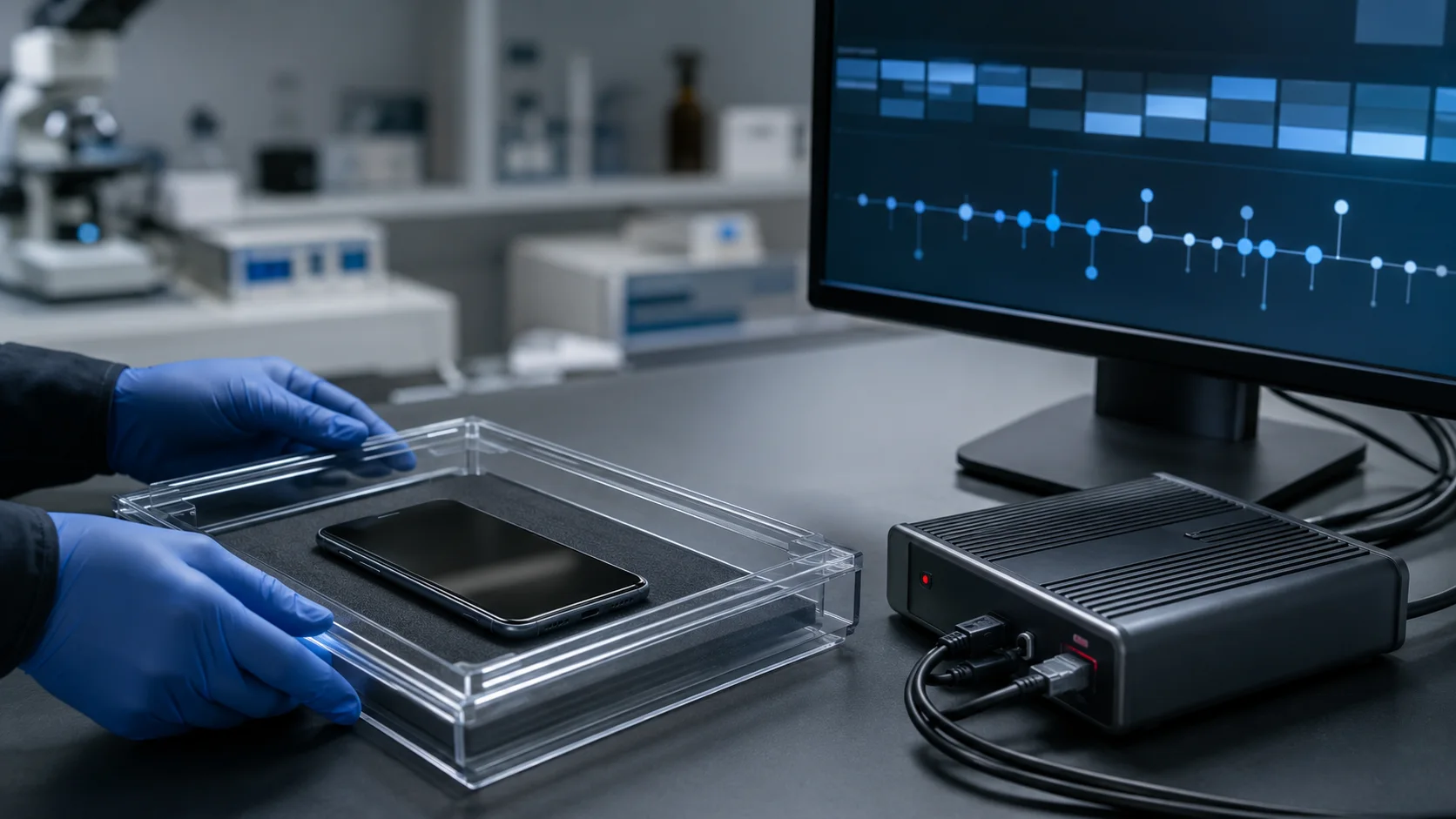
Digital evidence can change when a device is powered on, a file is opened, an account syncs, or a cloud provider updates data. Investigators use validated acquisition methods, write blockers where appropriate, cryptographic hashes, tool logs, and documented time settings. A screenshot may show what a person saw, but it is not the same as a validated source record.
Cloud evidence adds questions about provider preservation, legal process, export format, account ownership, and timezone. Investigators should preserve the original export and record the tool and version used. A convenient copy is not automatically a complete copy.
What a gap does—and does not—mean
A missing signature or unexplained transfer can raise an authenticity or reliability question. It does not automatically prove that the item was altered or that every conclusion is inadmissible. Courts weigh the specific gap, other evidence, jurisdictional rules, and the explanation offered.
Responsible reporting describes the gap precisely. ‘The chain was broken’ may be rhetorically strong but technically vague. Say what entry is missing, what access is documented, and what the expert or court concluded about the effect.
How to review a custody record
Start with the item identifier and build a timeline from collection to presentation. Compare the evidence log, photographs, reports, laboratory intake, instrument records, storage entries, and courtroom exhibit. Look for inconsistent dates, duplicated identifiers, unexplained openings, missing seals, or a result that cannot be tied to the tested portion.
Ask an appropriate expert to explain whether the handling could affect the specific result. A chain review is not a hunt for a technicality; it is a test of how much confidence the record can support.
Questions people ask
Does a chain-of-custody error automatically exclude evidence?
Not always. The effect depends on the jurisdiction, the nature of the gap, the evidence, and the explanation. It may affect admissibility or weight.
Can a photograph replace the original evidence?
Usually not. A photograph preserves appearance but may omit context, scale, metadata, or later testing possibilities.
Are digital hashes proof that a file is true?
A hash can show that a particular file remained unchanged after acquisition. It does not prove that the original file was authentic or complete.
Who should review a complex chain?
A qualified forensic examiner, attorney, or evidence custodian familiar with the relevant evidence type and local rules.
Research note: TruthTube prioritizes government publications, primary records, scientific standards, and official reporting channels. This article is educational and does not replace legal, financial, medical, or psychological advice.
This article was researched using official records, regulator notices, court documents, law-enforcement releases, provider documentation and reputable reporting. Material claims were checked against the cited sources.
AI tools may have assisted with research organization, language refinement, transcription or illustration, but factual claims were reviewed by Lavi, Founder & Editorial Lead.
Published July 13, 2026. This page is scheduled for review when official guidance, reporting channels, scientific standards, or relevant laws change.