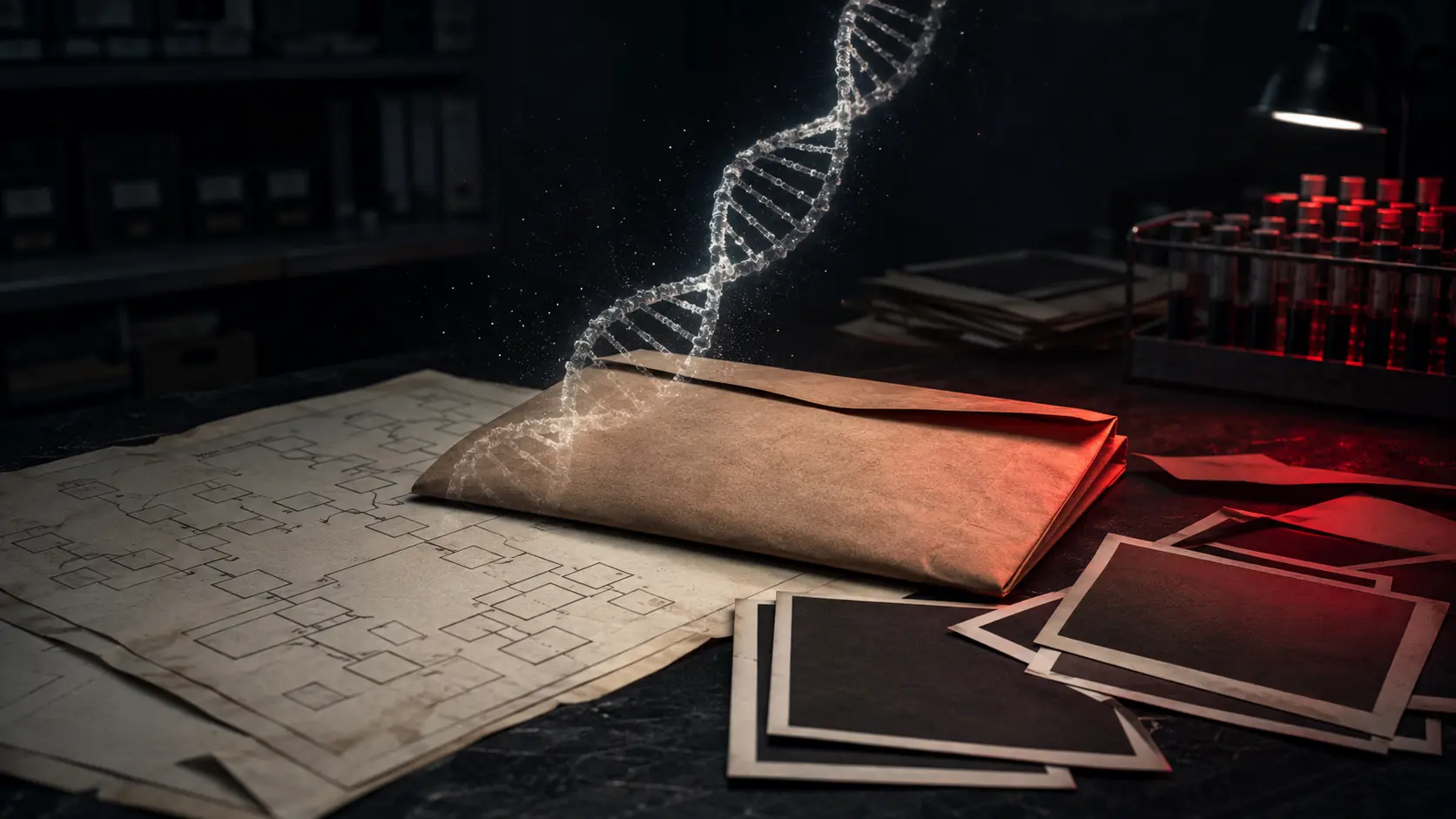
 Cold Cases2026
Cold-case methods • 18 min
Cold-Case Forensic Retesting: What New Analysis Can—and Cannot—Prove
A new test may create a lead, exclude a person, or clarify a disputed sample. It does not automatically reconstruct an entire case.
Accessible forensic science, digital evidence, DNA, genealogy, validation, chain of custody, and limits.
Cold Cases2026A new test may create a lead, exclude a person, or clarify a disputed sample. It does not automatically reconstruct an entire case.
 Evidence & Documents2026
A label and a locked box are not the whole chain. Reliable evidence requires a documented history of collection, access, transfer, testing, and storage.
 Forensics2026
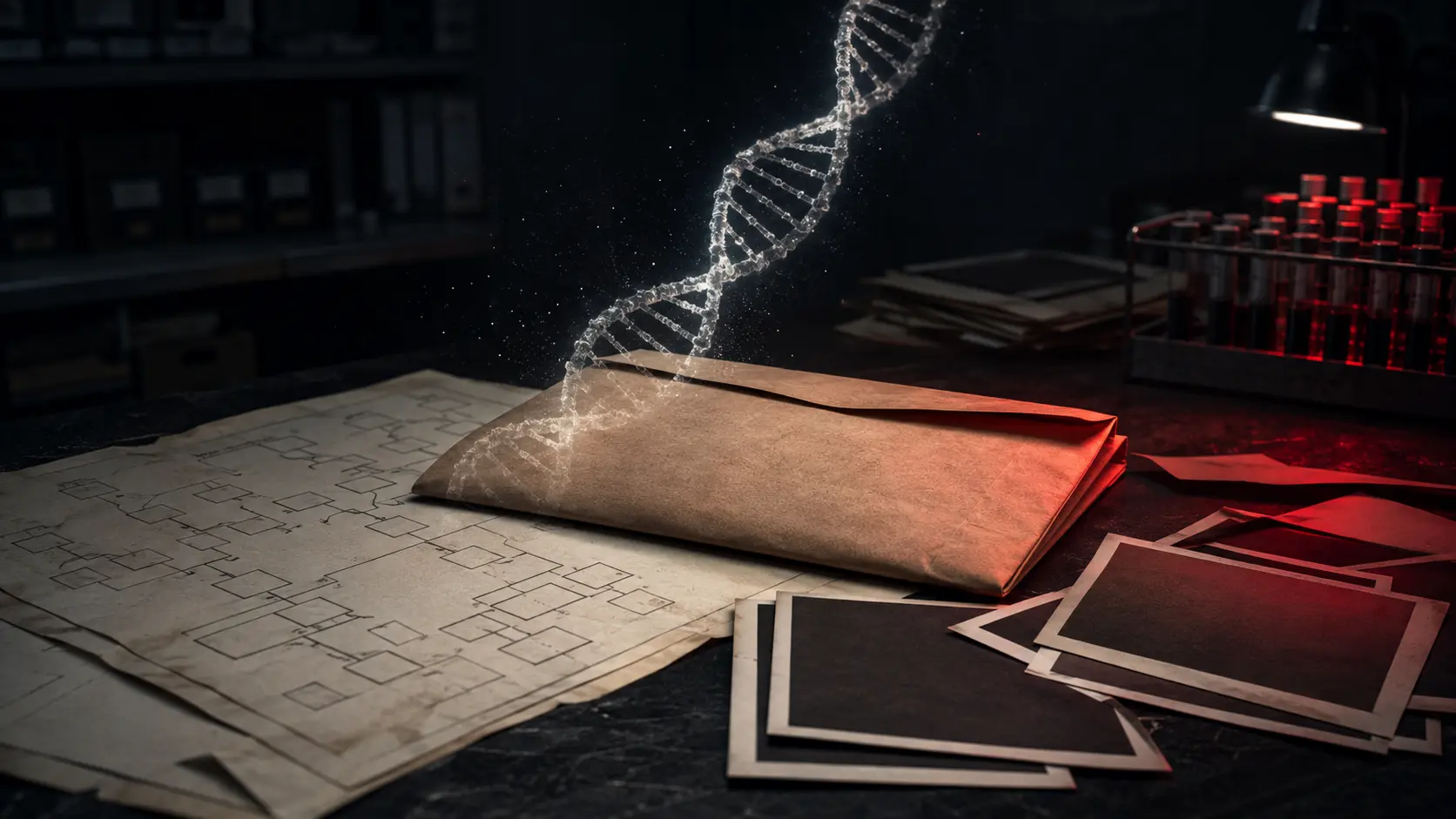
DNA can be powerful evidence, but a profile does not automatically explain when, how, or why biological material arrived at a scene.
 Forensics2026
An autopsy report separates observations, tests, medical opinions, and the certified cause and manner of death. Each has a different evidentiary role.
 Forensics2026
A phone connecting to a tower can establish a broad network event. It rarely provides the precise location or certainty that a dramatic map implies.
 Forensics2026
How family networks can generate leads—and why confirmation, privacy safeguards, and conventional evidence still matter.
 Forensics2026
A clear guide to preservation, attribution, timestamps, deleted data, tool limits, and responsible interpretation.